7 Activewear Fabric Label Terms That Don't Mean What You Think
Quick Answer: Most activewear fabric terms — moisture-wicking, breathable, four-way stretch, anti-microbial — describe a category of technology rather than a guaranteed performance level, meaning the same label can apply to a high-performing fabric and a mediocre one. Composition percentages and independent reviews tell you more than the label terms alone.
Activewear tags are full of technical-sounding terms that create an impression of precision they don’t actually deliver — here’s what seven of the most common ones actually guarantee, and what they don’t.
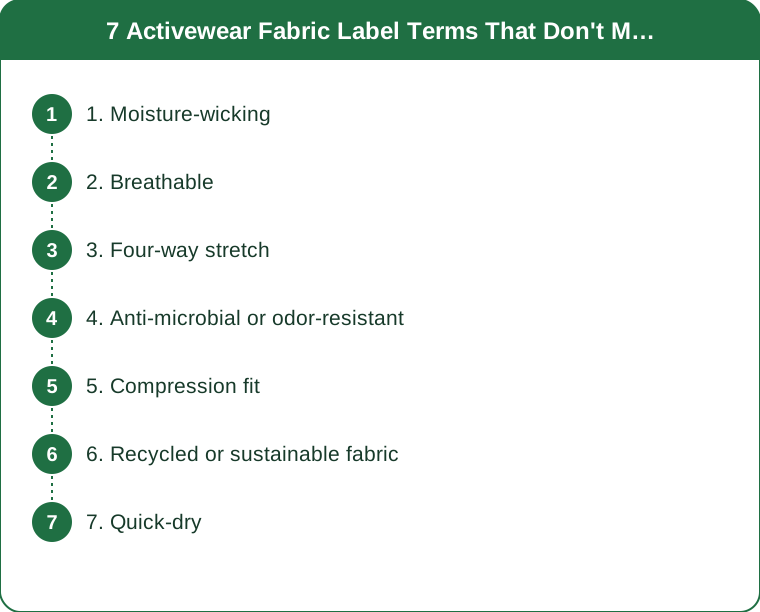
1. Moisture-wicking
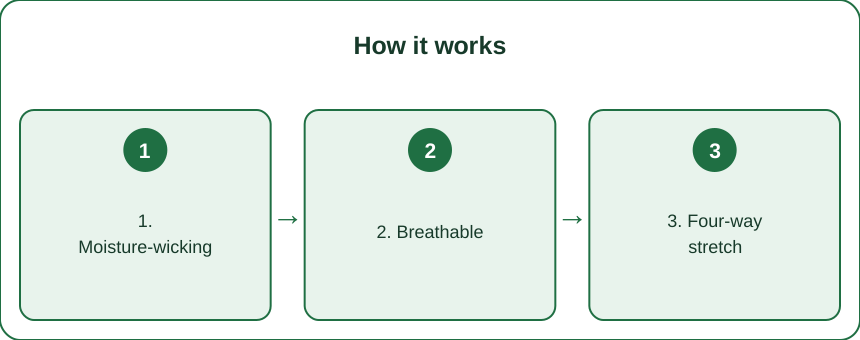
This term means the fabric is engineered to pull sweat away from skin toward the outer surface for faster evaporation — true of the underlying technology, but the degree of wicking varies enormously by fiber blend and weave. A fabric can technically qualify as moisture-wicking while still feeling noticeably damp compared to a competitor also labeled moisture-wicking.
2. Breathable
There’s no standardized threshold a fabric must meet to use this term — it broadly means the weave allows some air circulation, but “some” covers a huge performance range. Tighter compression fabrics, in particular, are often labeled breathable while still trapping more heat than a looser-woven equivalent.
3. Four-way stretch
This means the fabric stretches both horizontally and vertically, which is genuinely useful information — but it says nothing about recovery, meaning how well the fabric snaps back to shape after stretching. A fabric can stretch four ways and still lose its shape faster than a two-way stretch fabric with better elastane quality.
4. Anti-microbial or odor-resistant
Usually refers to a chemical treatment applied to the fabric that reduces bacterial growth — genuinely functional initially, but most of these treatments wash out gradually over dozens of wash cycles, meaning a garment’s odor resistance in month one isn’t a reliable predictor of month six.
5. Compression fit
Describes the intended fit level, not a certified compression grade the way medical compression garments are graded (measured in mmHg). Activewear “compression” leggings can vary enormously in actual tightness and support level despite using the identical marketing term.
6. Recycled or sustainable fabric
Often accurate but frequently refers to only a portion of the garment’s total fiber content (sometimes as low as 20-30%) rather than the whole piece — checking the actual composition percentage on the tag, not just the marketing claim, tells you how much of the garment the term actually applies to.
7. Quick-dry
Genuinely means the fabric is engineered to dry faster than cotton, which is a fairly low bar — most synthetic activewear fabrics qualify, so this term does less to differentiate between a good and mediocre option than shoppers often assume it does.
So what actually helps you compare two similarly labeled products? Checking the fiber composition percentages side by side, reading reviews that specifically mention wash-durability or wicking performance after months of use (not first impressions), and doing a simple stretch-and-recover test in store all tell you more than matching marketing terms between two products.
TL;DR:
- Moisture-wicking, breathable, and quick-dry describe a technology category, not a guaranteed performance level
- Four-way stretch says nothing about how well fabric recovers its shape
- Anti-microbial treatments typically wash out over repeated use
- Fiber composition percentages and long-term reviews are more reliable than label terms alone
The labels aren’t lying, exactly — they’re just far looser than the confident, technical-sounding language suggests.
Keep Reading
This article is for general informational and styling purposes only. Fit, sizing, and product availability may vary.