7 Things That Happen to Activewear Left in a Gym Bag Overnight
Quick Answer: Damp synthetic fabric in a sealed bag hits bacterial doubling time in roughly 20 minutes and stays warm and humid all night. Within 12 hours you get permanent odour compounds bonded into the fibre, the start of mildew on any cotton content, elastane degradation from prolonged salt contact, and colour transfer between pressed-together garments. The single fix is to unzip the bag - even that alone prevents most of it.
Everybody has done it. The bag goes in the boot, or by the front door, and you remember at 9am the next morning. The interesting part is how much of the damage is already locked in by then, and how completely avoidable it is with a ten-second habit.
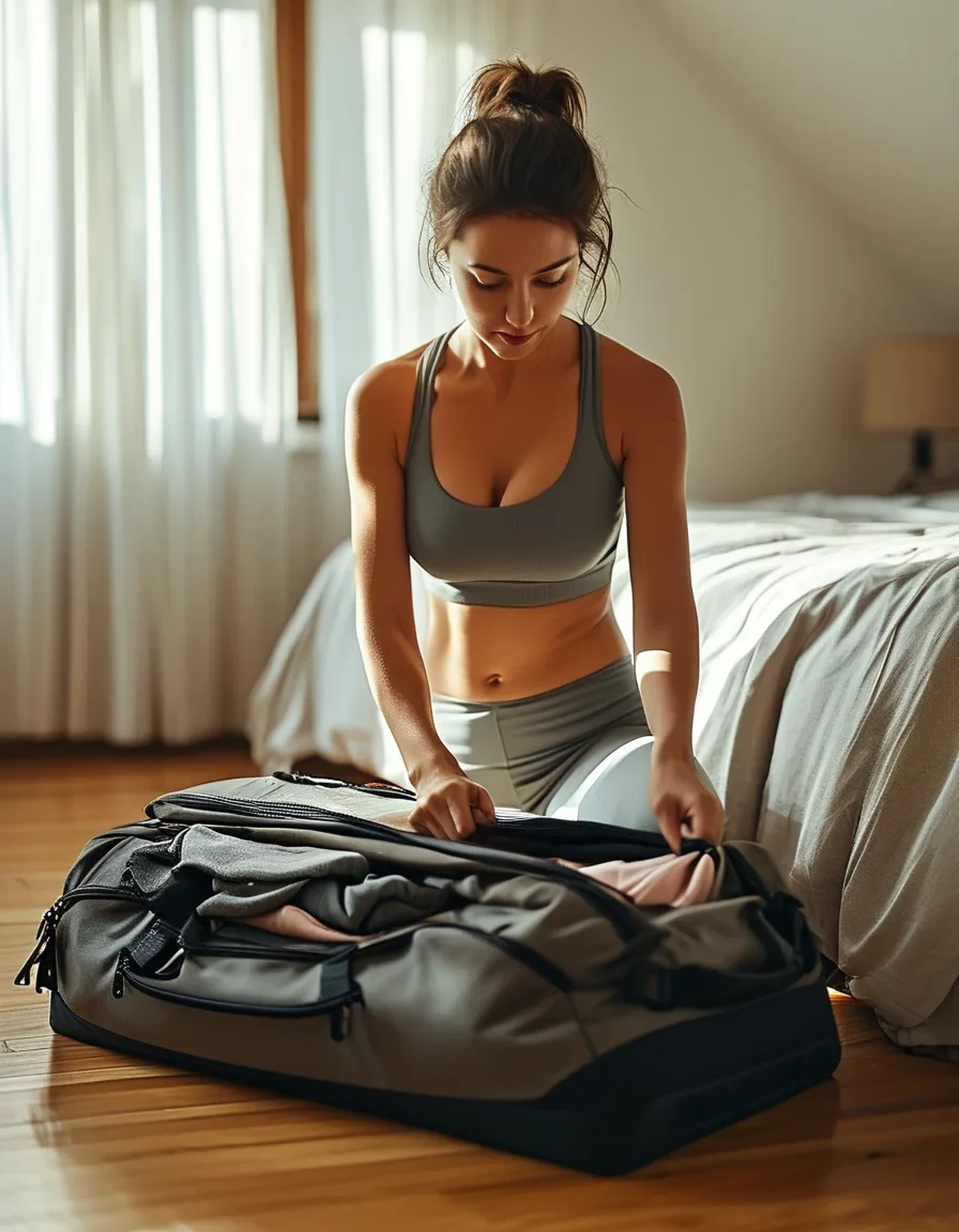
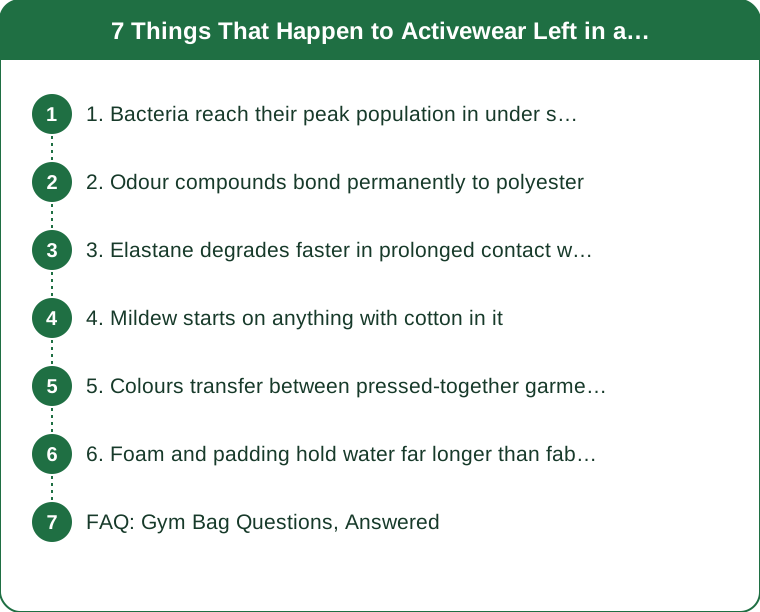
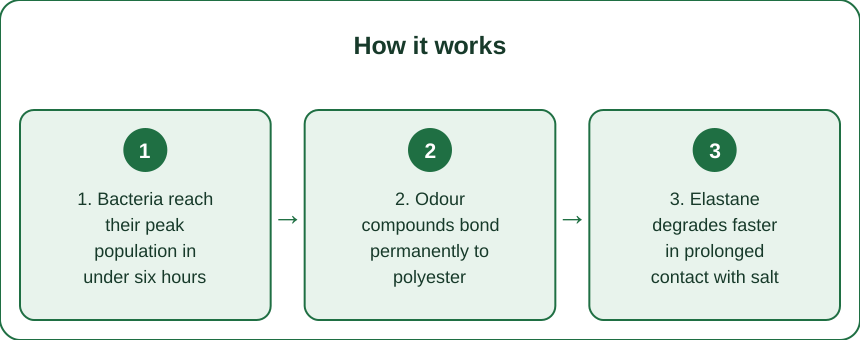
1. Bacteria reach their peak population in under six hours
The inside of a zipped gym bag with damp kit in it is close to ideal growth conditions - around body-warm, near 100% humidity, and rich in the skin oils, dead cells, and salts that skin bacteria feed on.
Under favourable conditions many common skin bacteria double roughly every 20 minutes. That means the population goes from small to enormous in a handful of hours, and by hour six it has typically plateaued because it has run out of nutrients, not time.
What matters for your clothes is not the bacteria themselves - a wash removes them - but their metabolic byproducts. Short-chain fatty acids, thioalcohols, and aldehydes are what you actually smell, and these are produced continuously through the night.
Synthetic fabrics have a specific vulnerability here. Polyester is oleophilic - it attracts and holds oils - so the skin oils bacteria feed on soak into the fibre rather than sitting on the surface. This is why a polyester top smells after a night in a bag and a cotton one from the same session often does not.
2. Odour compounds bond permanently to polyester
This is the one that turns an overnight mistake into a permanent one.
Odour molecules produced by bacteria are largely non-polar, and so is polyester. Non-polar attracts non-polar, so the compounds partition into the fibre itself over time rather than staying on the surface where detergent can reach them.
The key variable is contact time. A few hours and most of it stays washable. Twelve hours of warm, humid contact and a meaningful fraction has migrated into the fibre. This is precisely the mechanism behind the top that smells fine out of the wash and then smells terrible again ten minutes into a workout - heat and moisture release what is embedded.
What to do if it has already happened: a 30-minute soak in a 1:4 white vinegar to cold water solution before washing works better than anything else available domestically. Enzyme-based sports detergents are the second option. What does not work is more detergent, hotter water, or fabric softener - softener specifically coats the fibre and traps the compounds underneath.
3. Elastane degrades faster in prolonged contact with salt
Sweat is roughly 0.9% salt plus urea and lactic acid, and elastane does not like any of them sitting on it.
Elastane fibres degrade through hydrolysis, and salt and acidity both accelerate the process. In a dry environment this is slow. In a sealed bag where the fabric stays damp, the salt stays in solution and in constant contact with the fibre for the full duration.
The effect from any single night is small - you will not notice it. The problem is that it is cumulative and irreversible, and it is happening to the exact component that gives your leggings their recovery. Someone who leaves kit in a bag two or three times a week is meaningfully shortening the life of every piece.
The practical marker: if your leggings have started to feel slightly loose after ten minutes of wear when they used to hold all session, that is elastane recovery loss. Bag habits are one of the more common causes, and it is not reversible once it has happened.
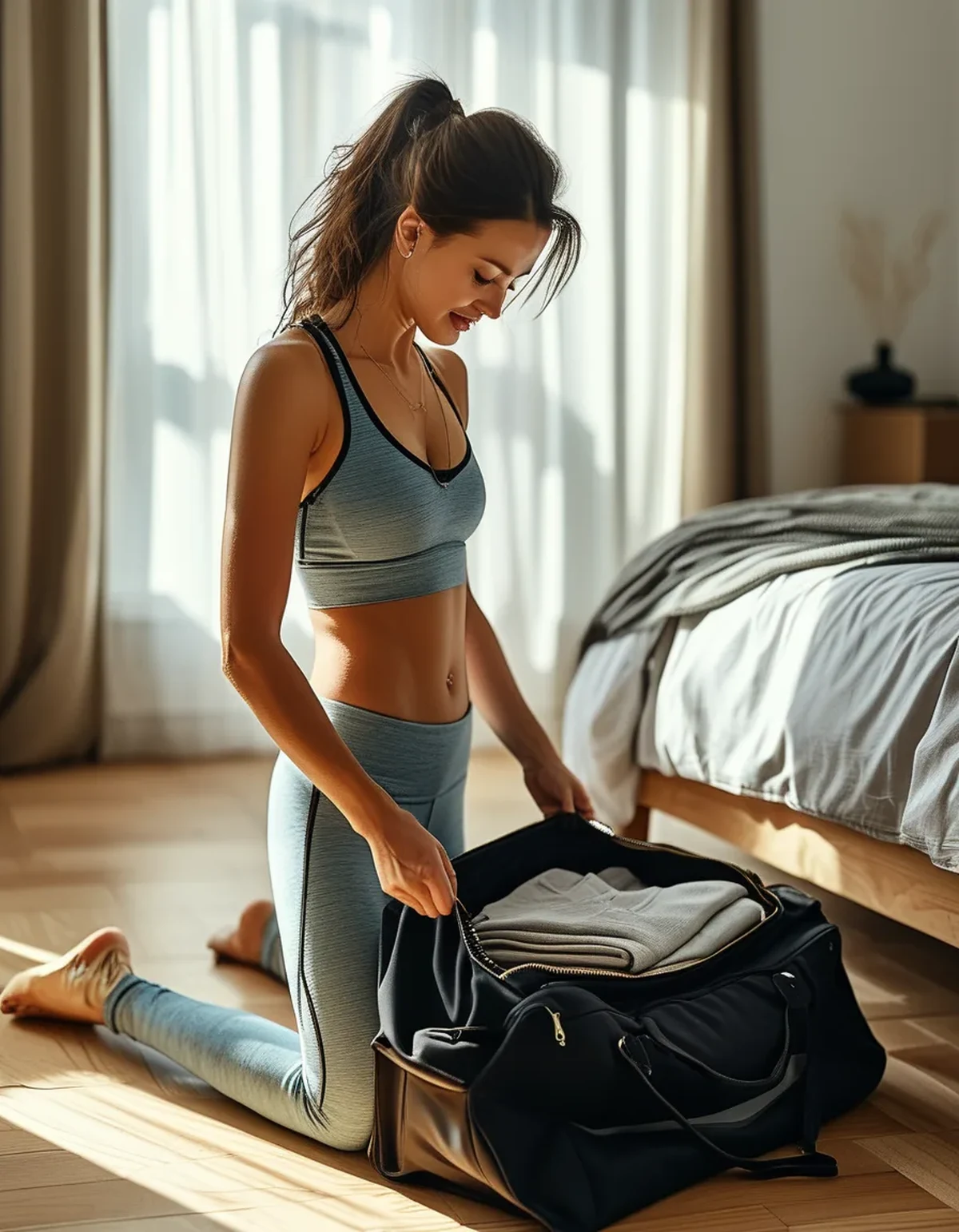
4. Mildew starts on anything with cotton in it
Pure synthetics resist mould reasonably well because there is nothing there to eat. Anything with cotton, bamboo, or modal content is a food source.
Mould spores are present on all fabric all the time and they need moisture, warmth, and a carbon source to germinate. A closed bag supplies all three, and germination can begin within 24-48 hours.
The first sign is the smell - a distinctly musty note that is different from the sour smell of bacterial odour. By the time you can see spotting, the growth is well established and the fabric is often permanently marked.
Check the blend labels on your kit. Most people have more cotton content in their gym bag than they realise, usually in a tee, a pair of socks, or a towel - and the towel is very often the actual source, sitting damp at the bottom and keeping everything else humid. The towel is the item to remove first, every time, even if you leave everything else.
5. Colours transfer between pressed-together garments
Damp fabric under pressure is exactly how dye migration happens, and a packed gym bag supplies both.
Dyes on activewear are generally well fixed, but a small amount of loose dye remains on any garment, especially in the first ten washes and especially in deep colours - black, navy, and strong reds are the usual culprits. Moisture mobilises it and pressure moves it across the contact point.
The damage is often subtle: a faint grey cast on a light legging, or a shadow along a fold line. It is very hard to remove because it is dye, properly bonded, in exactly the way the manufacturer intended dye to bond.
Two easy preventions. Do not pack new dark items against light ones while damp. And if you routinely carry both, use a separate mesh bag for lights - it costs almost nothing and eliminates the problem entirely.
Worth knowing: this is also the mechanism behind a white shoe getting a grey edge from a black legging in the same bag.
6. Foam and padding hold water far longer than fabric
The parts of your kit that dry slowest are the ones you cannot see, and they are what keep the bag humid all night.
Sports bra pads are closed-cell or open-cell foam and hold moisture for hours after the surrounding fabric feels dry. Shoe insoles and midsoles are worse - a running shoe can hold moisture for over 24 hours. The padded straps of the bag itself absorb and hold.
This is why a bag can smell even when everything in it feels dry to the touch. The reservoir is in the foam, and it is slowly re-humidifying the air inside all night.
Take the pads out of a sports bra before the bra goes in the bag - it makes a bigger difference than it sounds. Pull the insoles out of shoes when you get home. And stand shoes outside the bag rather than in it whenever you can - shoes are far and away the largest moisture reservoir most people carry.
A gym bag with a ventilated shoe compartment is not a gimmick. It is the single most useful feature on a gym bag.
7. The bag itself becomes the ongoing source
This is the one that explains why the problem persists after you fix your habits.
Everything above has been happening inside the bag lining too. Polyester lining, seams, and padded base absorb the same oils and host the same bacteria, and almost nobody ever washes a gym bag.
Once the lining is colonised, clean kit put into it starts picking up odour within hours. People conclude their washing has stopped working when actually their bag is reinoculating everything.
Wash the bag. Most nylon and polyester gym bags handle a cold gentle cycle in a pillowcase perfectly well - check for a leather trim or a rigid base first. Air dry completely, which takes longer than you expect, usually a full day.
Then keep it dry between uses. Store it unzipped and open, not in a car boot and not in a wardrobe. A car boot in late August gets hot enough to accelerate everything on this list dramatically, and it is where most people keep their bag.
FAQ: Gym Bag Questions, Answered
If I forgot overnight, is the kit ruined?
Usually not, if you act immediately. Vinegar soak for 30 minutes, then a normal cold wash, and hang it in moving air. It is repeated overnights, not one, that cause permanent damage.
Does an antibacterial spray in the bag help?
A little, and it treats the symptom. The moisture is the actual problem - a dry bag needs no spray. Spend the effort on unzipping and removing the towel instead.
What is the single best habit?
Unzip the bag and pull the towel out the moment you get home. Ten seconds, and it prevents the majority of everything on this list. Full unpacking is better, but the ten-second version captures most of the benefit.
TL;DR:
- Bacteria peak within hours and their byproducts bond permanently into polyester - contact time is the variable that matters.
- Salt in prolonged contact degrades elastane, which is what costs you your leggings’ recovery.
- Foam is the hidden reservoir - bra pads, insoles, and shoes keep the whole bag humid.
- The bag itself gets colonised and reinfects clean kit, so wash it and store it open.
- If you do one thing: unzip the bag and remove the towel the second you get home.
None of this requires new products or a better detergent. It requires the bag not being sealed, which is the cheapest fix in laundry.
See It in Motion
Seen here: High Waist Yoga Leggings with Side Pockets — shop it on bubblelime.com
Keep Reading
This article is for general informational and styling purposes only. Fit, sizing, and product availability may vary.