What the Fabric Blend Percentages on Your Leggings' Tag Actually Tell You
Most people glance at an activewear tag long enough to register ‘polyester spandex’ and stop there, when the actual percentage breakdown behind those names is what really determines how a piece performs. Here is how to read that breakdown correctly and what ratios actually suit which activities.

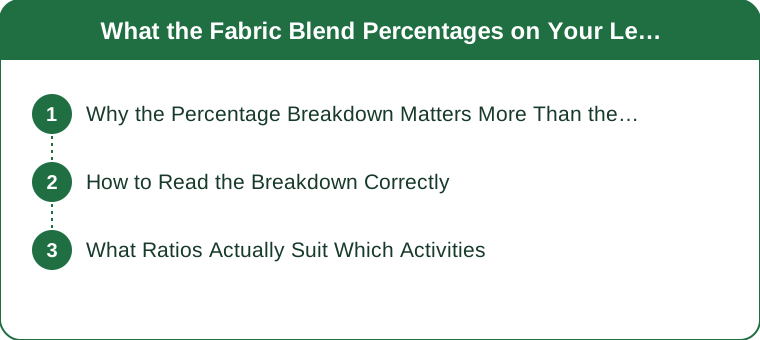
Why the Percentage Breakdown Matters More Than the Fabric Names Alone
The functional reason: the the-same-two-fibers-behave-completely-differently-at-different-ratios (the identical polyester-spandex pairing performing very differently at ninety-five-five versus eighty-twenty, since the ratio determines stretch, recovery and compression far more than simply knowing which two fibers are present, per the activewear-fabric-blends-guide logic — the the-ratio-not-just-the-fiber-names-determines-actual-performance), the the-elastane-percentage-specifically-predicts-recovery-and-longevity (the elastane or spandex percentage specifically correlating with how well a garment springs back to shape after stretching and how long that recovery lasts across wash cycles — the elastane-percentage-is-the-single-most-predictive-number-on-the-tag-for-recovery-and-longevity), the the-fiber-percentage-also-predicts-moisture-and-breathability-behavior (the polyester-versus-nylon-versus-natural-fiber ratio affecting moisture-wicking speed and breathability independent of the stretch component, per the moisture-wicking-science-guide logic — the the-non-elastane-portion-of-the-blend-drives-moisture-and-breathability-performance), and the reframe (the percentage breakdown as the actual functional specification of a garment, with the fiber names alone functioning more like a category label than a performance predictor).

How to Read the Breakdown Correctly
What to actually check: the check-elastane-percentage-first-for-compression-and-recovery-needs (the scanning specifically for the elastane or spandex number as the first and most useful check for any compression or recovery-dependent use, per the compression-fit-and-sizing-guide logic — the elastane-percentage-is-the-first-number-worth-checking-for-most-uses), the the-check-the-primary-fiber-percentage-for-moisture-and-feel (the remaining majority fiber — polyester, nylon, or a natural blend — telling you more about moisture handling and hand-feel than the minority elastane component does — the the-majority-fiber-percentage-tells-you-about-feel-and-moisture-handling), the the-compare-tags-across-brands-for-the-same-garment-type-rather-than-assuming-they-match (the same garment category varying meaningfully in elastane percentage across different brands, worth actually comparing rather than assuming any two leggings share a similar blend — the actually-comparing-percentages-across-brands-reveals-real-differences-worth-knowing-before-buying), and the frame (the reading process as checking elastane percentage first for compression and recovery needs, checking the majority fiber for moisture and feel, and actually comparing across brands rather than assuming similarity — turning a glanced-at tag into real functional information).
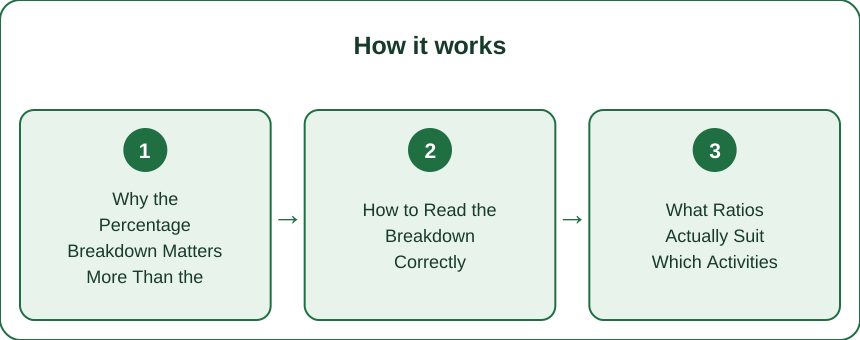
What Ratios Actually Suit Which Activities
The practical matching: the higher-elastane-eighteen-to-twenty-eight-percent-for-high-compression-high-movement-activities (the higher elastane content suiting activities needing strong compression and recovery through a large range of motion — squats, running, high-intensity intervals — the higher-elastane-percentage-suits-high-compression-high-movement-activity-types), the the-lower-elastane-under-ten-percent-for-relaxed-fit-lower-movement-pieces (the lower elastane content being appropriate and sufficient for looser, less compression-dependent pieces like joggers or relaxed tops, where high stretch recovery matters less — the lower-elastane-percentage-is-appropriate-for-relaxed-fit-lower-movement-pieces), the the-higher-natural-fiber-content-for-lower-intensity-comfort-focused-wear (the higher proportion of cotton or other natural fiber suiting lower-intensity, comfort-focused activities where moisture-wicking speed matters less than softness — the higher-natural-fiber-content-suits-lower-intensity-comfort-priority-wear), and the frame (the matching as higher elastane for high-compression high-movement activities, lower elastane for relaxed fit pieces, and higher natural fiber content for comfort-focused lower-intensity wear — using the actual tag percentages to match the piece to the activity rather than guessing from the fabric names alone).
The percentage breakdown on an activewear fabric tag matters more than the fiber names alone, since identical fiber pairings like polyester and spandex perform very differently depending on the actual ratio — the elastane percentage specifically predicts stretch recovery and longevity, while the majority fiber percentage drives moisture-wicking speed and breathability. Reading a tag correctly means checking elastane percentage first for any compression or recovery-dependent use, checking the majority fiber percentage for moisture handling and feel, and actually comparing percentages across brands rather than assuming similar-looking garments share a similar blend. Matching the ratio to the activity means seeking higher elastane content, roughly eighteen to twenty-eight percent, for high-compression high-movement activities like running or intervals, lower elastane under ten percent for relaxed-fit pieces where stretch recovery matters less, and higher natural fiber content for lower-intensity, comfort-focused wear where moisture-wicking speed is less of a priority.
See It in Motion
Seen here: High Waist Yoga Leggings with Inner Pocket — shop it on bubblelime.com
Keep Reading
This article is for general informational and styling purposes only. Fit, sizing, and product availability may vary.